Why Winter is Ideal for Dental Implants | Lakewood, WA
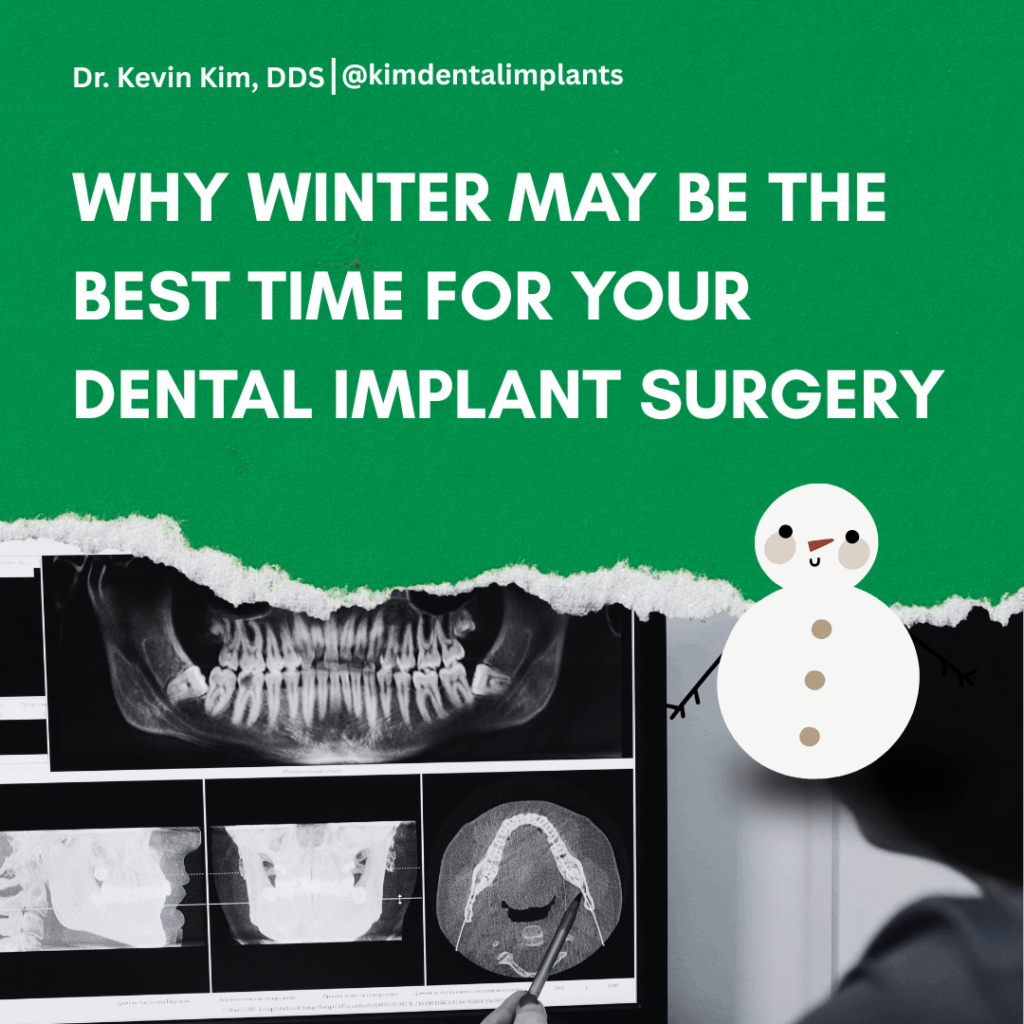
When you think of winter, surgery probably isn’t the first thing that comes to mind. The harsh winds, bone-chilling cold, and dry indoor air can make people hesitant to schedule any medical procedure. This mindset is common across the Midwest and East Coast, leading many to believe that winter is a challenging season for healing. Swelling can worsen in freezing temperatures, and dry air can irritate surgical sites. However, in the Pacific Northwest, the story is quite different.
In Lakewood, WA, winter can actually be an ideal time for dental implant surgery and restoring your smile, as noted by Dr. Kim, a leading expert in dental implants. Let’s explore why the mild and moist climate of the Pacific Northwest offers a natural advantage for dental implant recovery and long term success.
Dental Implant Basics: Answering Your Core Questions
Before diving into the benefits of winter for surgical procedures, it’s important to understand the fundamentals of dental implants and why you might need one.
Do I Need a Dental Implant After Extraction?
A dental implant is often the best long-term solution for tooth replacement after extraction. Unlike bridges or partial dentures, implants prevent bone loss by mimicking the natural root of your tooth. Without an implant, the jawbone may deteriorate over time, causing adjacent teeth to shift and altering your bite. Implants also preserve the natural contours of your face, avoiding a sunken appearance that can occur with untreated gaps.
For patients in Lakewood considering dental implants in winter, the mild climate can provide a significant boost to the healing process.
When is a Tooth Extraction Necessary Versus a Dental Implant?
One of the most common questions we address is whether a tooth is viable for restoration or if it requires extraction. If you have a severely damaged tooth that we cannot restore, we typically begin by extracting it. From there, a dental implant can replace the root and provide a stable foundation for a crown. Dr. Kim carefully evaluates bone health and overall oral conditions to determine the best treatment plan for each patient.
What Happens If You Don’t Get Dental Implants?
Choosing to skip implants may seem convenient at first, but the consequences can be significant. Over time, the bone in the empty socket can atrophy, adjacent teeth may shift, and your bite may change. These changes can lead to jaw discomfort, difficulty chewing, and even alterations to your facial structure. Opting for implants ensures long-term dental health and preserves the natural aesthetics of your smile.
The Healing Advantage: Why Rain and Mild Winters Are Your Friend
You might be surprised to learn that winter in Lakewood, WA, can actually aid in your dental implant recovery. The Pacific Northwest’s consistent mild temperatures and gentle, humid air create conditions that are actually ideal for osseointegration, the process by which your dental implant fuses with the jawbone.
Osseointegration Explained
Osseointegration is crucial for the success of dental implants. This process relies on the stable fusion of titanium implants to the jawbone. Extreme fluctuation in temperature, swelling, or tissue stress can compromise healing. Fortunately, Lakewood’s mild winters naturally minimize these risks, and support the implant.
Temperature Stability
Unlike harsh winters elsewhere, Lakewood rarely dips into freezing extremes. These stable temperatures reduce thermal stress on the surgical site, allowing soft tissues to heal comfortably and predictably.
Humidity and Mucosal Health
The ambient moisture in the Pacific Northwest prevents your oral tissues from drying out, which is a common issue in colder, drier indoor climates. Healthy, hydrated mucosa supports faster and more comfortable healing, reducing irritation and minimizing the risk of infection.
Lifestyle Contrast
The often-overcast skies and gentle rain of PNW winters encourage a slower pace of life. This lifestyle shift can be beneficial post-surgery, as it promotes indoor rest and adherence to recovery routines. Patients often find it easier to follow post-op instructions and prioritize their healing during the winter months.
Protecting Your Investment: Winter Implant Healing Tips
Even with ideal conditions, patient care plays a crucial role in successful recovery. Here are Dr. Kim’s recommendations for optimal healing during winter:
Navigating the Rain
- Keep Your Head Warm: Wearing a light hat or hood can prevent cold-induced muscle tension and clenching, which could interfere with your healing jaw.
- Indoor Comfort: Maintain a stable indoor temperature without relying on excessively dry forced heat, as fluctuating indoor climates can stress your surgical site.
Diet and Hydration
- Warm, Soft Foods: Soups, broths, and soft foods provide comfort and nutrition while avoiding pressure on your surgical site. Ensure food and liquids are at a moderate temperature to prevent irritating the surgical site.
- Gentle Hydration: Cold winter weather may reduce your thirst cues, but drinking plenty of water is essential for gum tissue healing.
Gentle Oral Hygiene
- Follow Instructions Closely: For the first 1–2 weeks after surgery, gentle rinsing and careful brushing near the implant site are critical. Avoid aggressive brushing and flossing and rely on any prescribed antiseptic rinses as directed by your dental professional
By appreciating the unique advantages of winter in Lakewood, WA, you can make a more informed decision about scheduling your dental implant surgery and enjoy a smoother recovery from the dental implant process. Always follow your oral surgeon’s advice.
Conclusion: Ready to Embrace the Ideal Implant Season?
Contrary to popular belief, winter in Lakewood, WA, may be the best season for dental implant surgery. The stable temperatures, humid air, and a lifestyle conducive to rest create the perfect conditions for osseointegration and recovery.
Dr. Kim has seen firsthand how patients who choose winter for their procedures often experience smoother healing and a lower risk of complications. If you’ve been considering dental implants, now is the ideal time to act—your smile will thank you long before the summer sun arrives.
Schedule your consultation with Dr. Kim today and take advantage of Lakewood’s surprisingly ideal winter conditions for dental implant placement. Protect your investment, preserve your bone health, and embrace a confident, long-lasting smile.
Frequently Asked Questions About Winter Dental Implants in Lakewood, WA
1. Are dental implant procedures suitable during the winter months?
Yes! In fact, Dr. Kim often recommends winter for dental implant surgery in Lakewood, WA. The mild temperatures and higher humidity provide ideal conditions for healing and osseointegration.
2. What is the expected recovery timeline following a dental implant procedure?
Initial healing typically takes 1–2 weeks for the soft tissue, while full osseointegration—the fusion of the implant to your jawbone—usually occurs within 3–6 months, depending on your individual health and bone tissue density.
3. What dietary modifications are necessary following the procedure?
Yes. Dr. Kim recommends a soft diet with warm, non-irritating foods during the first few weeks. Optimal dietary choices include nutrient-dense soups, broths, puréed vegetables, and tender proteins. Avoid hot or crunchy foods that could disrupt healing.
4. Do environmental conditions, such as rainy weather, impact the recovery process?
This is not a cause for concern. In fact, Lakewood’s gentle rain and consistent humidity keep oral tissues hydrated, which supports faster, more comfortable healing.
5. What are the potential complications of non-compliance with post-operative instructions?
Ignoring post-op care can increase the risk of complications, including infection, periodontal disease, gum disease, implant failure, or prolonged healing. Following Dr. Kim’s instructions on oral hygiene, diet, and activity ensures the best possible outcome.
6. What criteria define a suitable candidate for dental implants during the colder months?
Dr. Kim evaluates your overall oral health, bone density, and medical history to determine if implants are right for you. Most healthy adults are candidates, and winter conditions often provide the optimal environment for recovery.
7. Is it possible to receive a dental implant immediately following a tooth extraction?
This may occur under certain circumstances. We call this an immediate implant, though your bone health and the condition of the extraction site determine if this is possible. Dr. Kim will assess your situation and recommend the safest timeline.
8. Does the winter climate increase the level of discomfort during the implant recovery process?
This is not always the case. With Lakewood’s mild winter climate, patients often report minimal swelling and a comfortable recovery. Proper post-op care is the key factor in reducing discomfort.
9. Are winter implant healing tips different from other seasons?
Yes. Winter-specific tips include staying warm, maintaining humidity indoors, consuming warm soft foods, and staying hydrated despite cooler temperatures—all which help optimize recovery.
10. What is the process for scheduling an initial evaluation with Dr. Kim?
Simple!
Visit Kim Dental Implant Center or call the office to book your consultation.
Dr. Kim will review your case, discuss timing, and tailor your implant treatment to your specific needs.