Sinus Pressure and Dental Implant Anxiety
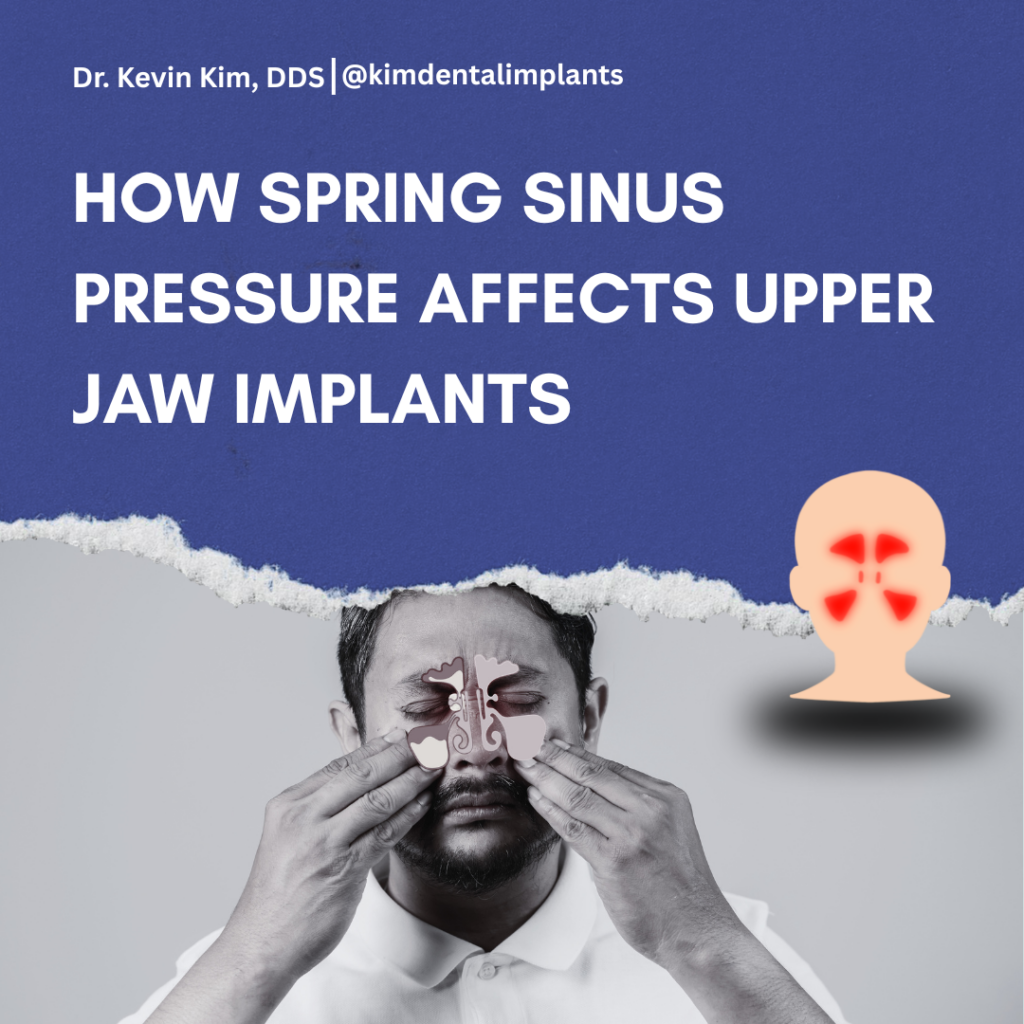
Spring in the Pacific Northwest is a visual masterpiece, but for many residents, it also marks the start of “sinus season.” As alders, birches, and cedars begin their annual pollen dump, many dental patients notice a disconcerting sensation: a dull ache or heavy pressure centered right around their upper jaw.
For those who have invested in their smiles, this sensation often triggers immediate dental implant anxiety. You might find yourself wondering if your dental implants are failing, if there is an infection in the bone, or why your new tooth feels “tight” or throbs when you bend over.
The Local Challenge
In our region, the combination of damp air and high tree pollen counts creates a perfect storm for sinus inflammation. Because of the unique way our bodies are built, your nose and your “new” teeth are closer neighbors than you might realize. This guide, provided by Dr. Kim at our Lakewood dental clinic, is designed to help you distinguish between a seasonal annoyance and a clinical complication.
The Core Thesis
The proximity of the maxillary sinus to upper jaw implants means that simple allergy induced swelling can create pressure sensations that are easily mistaken for implant failure. By understanding the link between sinus pressure and dental implants, you can take the right preventative steps to protect your investment during the peak of the PNW allergy season.
Understanding the Maxillary Sinus and Implants
To understand why your allergies are “talking” to your dental implants, we must look at the architecture of the human skull.
Why the Upper Jaw is Different
Unlike the lower jaw, which is solid, dense bone, the upper jaw is hollowed out by the maxillary sinuses. According to the American Academy of Otolaryngology, these air filled cavities sit directly above your upper molar and premolar roots. When Dr. Kim, our expert oral surgeon, places a dental implant in this area, the goal is to utilize the available bone. In many cases, the “floor” of the sinus is just millimeters away from the top of the implant.
The Allergy Link
When you breathe in allergens like pollen or mold, your immune system triggers a physiological chain reaction:
- Inflammation: The mucous membranes lining the sinus cavities swell.
- Obstruction: Fluid and mucus build up, and the tiny exit ports of the sinuses become blocked.
- Vacuum/Pressure: As the sinus space shrinks, internal pressure increases.
Because the implant is integrated into the bone that forms the floor of that sinus, any change in sinus pressure is felt directly by the nerves surrounding the implant. This is the root of most maxillary sinus implant complications.
The Key Distinction: Allergy vs. Infection
How do you know if you need an antihistamine or an appointment with your periodontist?
- Allergy Symptoms: Usually bilateral (both sides), a dull “fullness,” worse when bending over, and often accompanied by itchy eyes or a runny nose.
- Implant Issues: Usually localized to one specific spot, accompanied by sharp pain, visible gum redness, bleeding, pus, or a persistent fever. The American Academy of Periodontology notes that localized redness and bleeding are key indicators of peri-implant disease.
The Threat of Dry Mouth: Antihistamines and Implant Health
While the pressure is the most noticeable symptom, a secondary threat often goes unnoticed: Xerostomia, or dry mouth.
Common Allergy Meds
To survive the spring, most of us reach for over the counter antihistamines. While these are lifesavers for your sneezing, the Mayo Clinic explains that these medications are often “anticholinergic,” meaning they shut down secretions throughout the body, including your saliva.
The Risk to Your Implants
Spring allergies affect dental implants indirectly through the loss of saliva. Saliva is your mouth’s primary defense mechanism; it buffers the acids produced by bacteria and physically washes away food debris.
When your mouth is dry:
- Plaque becomes “stickier” and harder to remove.
- The risk of peri-implantitis (an infection of the gums and bone around the implant) increases significantly.
- Bacteria thrive in the absence of oxygen rich saliva, leading to inflammation that can compromise long term stability.
Dr. Kim’s Protocol: Specific Implant Care for Allergy Season
Dr. Kim recommends a specialized upper jaw implant care and allergy routine to maintain health during high pollen months.
1. Hydration is Non-Negotiable
If you are taking drying medications, you must double your water intake. Sipping water throughout the day helps “mechanically” replace the saliva your antihistamines are suppressing.
2. Specialized Rinsing
Don’t just reach for alcohol based mouthwash, which can further dry out the tissues. Dr. Kim recommends:
- Saline Nasal Sprays: Keep the sinus passages clear to reduce the downward pressure on the implant.
- Alcohol Free Oral Rinses: Use rinses specifically designed for dry mouth to keep the oral mucosa hydrated.
3. Enhanced Hygiene
During allergy season, your cleaning routine should be more rigorous:
- Water Flossers: Use a water flosser around the implant abutments to reach areas where “sticky” dry mouth plaque may hide.
- Soft Bristle Brushing: Use a soft bristle brush at a 45-degree angle to the gum line twice daily. The American Dental Association recommends this angle for optimal plaque removal at the gingival margin.
Seasonal Allergy Context: Interesting Questions Answered
When are seasonal allergies the most serious?
In the PNW, tree pollen peaks in early spring (March through April), while grass and weed pollen take over in late spring and summer. This timing perfectly aligns with when patients report the most sinus pressure and dental implant discomfort.
What type of pollen makes the most people allergic?
Tree pollen is the biggest culprit. Because it is fine and airborne, it travels easily into the deep recesses of the maxillary sinus, causing the deep seated bone pressure many mistake for dental pain.
What is the link between warm weather and pollen?
Warmer weather and increased CO2 levels lead to longer growing seasons. How to live with allergies to pollen?
- Check local pollen counts before heading out.
- Change your clothes and shower after being outdoors to remove microscopic pollen.
- Use HEPA filters in your bedroom to create a “pollen free” recovery zone at night.
Is it safe to smoke?
From a dental perspective, smoke is a major irritant. Whether it is tobacco or cannabis, smoking dries out the mouth and inflames the throat and sinuses. For implant patients, smoking is always discouraged as it significantly increases the risk of bone loss and implant failure.
Don’t Let the Pollen Cloud Your Peace
Spring should be a time of renewal, not a time of dental anxiety. While the sensations of sinus pressure and dental implants can be startling, they are often a manageable side effect of our environment. By staying hydrated and maintaining a rigorous hygiene routine, you can protect your smile.
However, your peace of mind is paramount. If the pain is sharp, localized, or if you see changes in the gum tissue around your implant, it is time for a professional look.
Are you experiencing pressure or discomfort in your upper jaw? Don’t spend the season worrying about your smile. Dr. Kim is here to ensure your implants are healthy and stable.
If you are unsure if your symptoms are allergy related or implant related, contact our Lakewood dental clinic today for a professional evaluation.