Implant Retreatment in Lakewood, WA
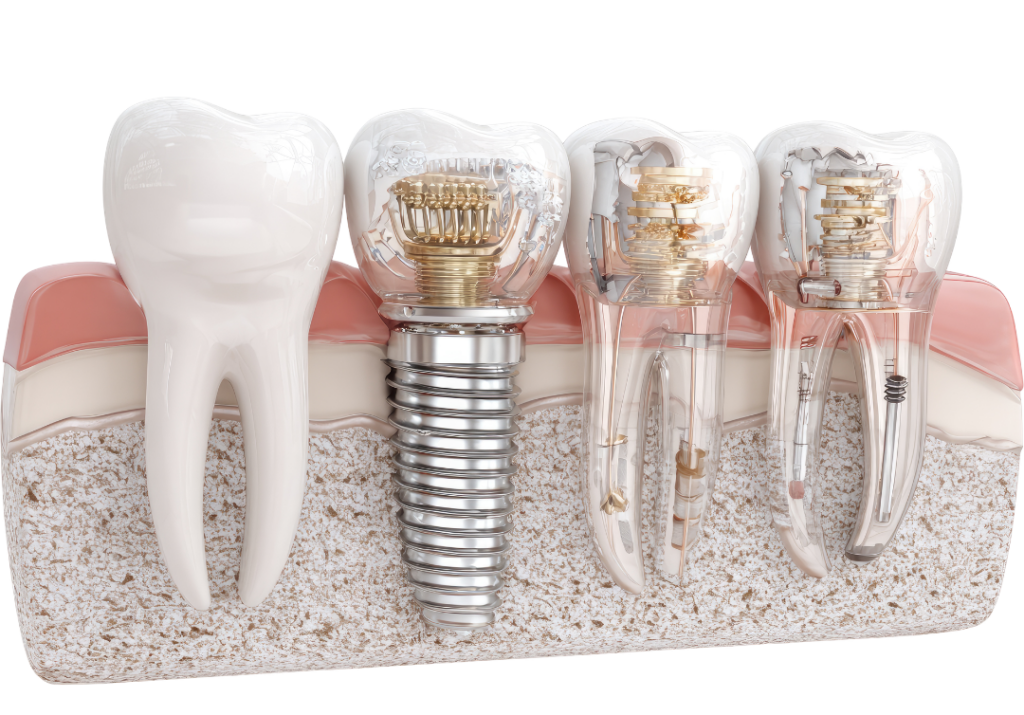
Sometimes, a dental implant doesn’t need to be completely removed and replaced; instead, it needs “rescue” or Implant Retreatment. For patients in Lakewood and Tacoma who notice bleeding gums, swelling, or a slight discomfort around an existing implant, acting quickly can mean the difference between saving your smile and losing it. At the office of Dr. Kevin Kim, DDS, we specialize in advanced retreatment techniques designed to stop infection in its tracks and regenerate lost support. As a Dental Implant Periodontist, Dr. Kim has the specialized tools to clean and treat implants that a general dentist might not be equipped to handle.
The most common reason for retreatment is Peri-implantitis, which is essentially gum disease that has moved from your natural teeth to your implant. Because implants don’t have the same biological seal as natural teeth, bacteria can travel down the titanium post and begin eating away at the jawbone. Dr. Kevin Kim uses CBCT 3D Imaging to determine exactly how much bone has been affected. If caught early enough, we can perform a “deep cleaning” for the implant using specialized titanium or plastic instruments that won’t scratch the metal surface, combined with targeted local antibiotics to kill the infection-causing bacteria.
In more advanced cases, Dr. Kim may perform a surgical retreatment known as Regenerative Therapy. During this procedure, the gum tissue is gently moved aside so the surface of the implant can be thoroughly decontaminated, often using laser therapy or specialized air-polishing systems. Once the implant is sterile, Dr. Kim applies Bone Grafting material and Platelet-Rich Fibrin (PRF) to the area where the bone has dissolved. This encourages your body to “regrow” the foundation around the existing implant, essentially re-anchoring it into the jaw. This “rescue mission” approach is a specialty at Dental Health Associates, saving our patients from the cost and time of a full replacement.
Early intervention is the key to successful retreatment. If you notice your gums look extra red around an implant, or if you see “pus” when brushing, these are red flags that should not be ignored. To learn more about how to identify and treat implant infections, we recommend visiting the American Academy of Periodontology or the Mayo Clinic’s guide to dental implant maintenance. Dr. Kevin Kim, DDS is one of the few specialists in Pierce County with the expertise to provide these high-level “rescue” treatments to keep your smile healthy for a lifetime.
Frequently Asked Questions About the Service
Can you get a dental implant redone?
Yes. If a dental implant fails because the bone does not fuse properly, the implant is removed and the bone is cleaned. In most cases, you can attempt the procedure again in about three months after the site has had time to heal.
What is the downside to dental implants?
The primary downside is the risk of surgical complications, such as infection, nerve damage, or injury to surrounding teeth and blood vessels. Additionally, if the bone fails to fuse with the metal post, the implant must be removed, requiring a multi-month waiting period before retreatment.
Are dental implants extremely painful?
Specialists use various anesthesia options, including local anesthesia, sedation, or general anesthesia, to control pain during the procedure. After surgery, patients may experience temporary discomfort such as swelling, bruising, and minor bleeding.