Immediate Post-Extraction Implant Placement in Lakewood, WA
For many patients in Lakewood and Tacoma, the news that a tooth cannot be saved is often followed by a second worry: “How long will I have to wait for a new one?” Traditional methods usually require waiting several months for the extraction site to heal before an implant can be placed. However, at the office of Dr. Kevin Kim, DDS, we often perform Immediate Post-Extraction Implant Placement. This advanced technique allows Dr. Kim to remove the failing tooth and place the dental implant into the empty socket during the exact same appointment. This “all-in-one” approach preserves your natural bone structure and significantly shortens your total treatment time.
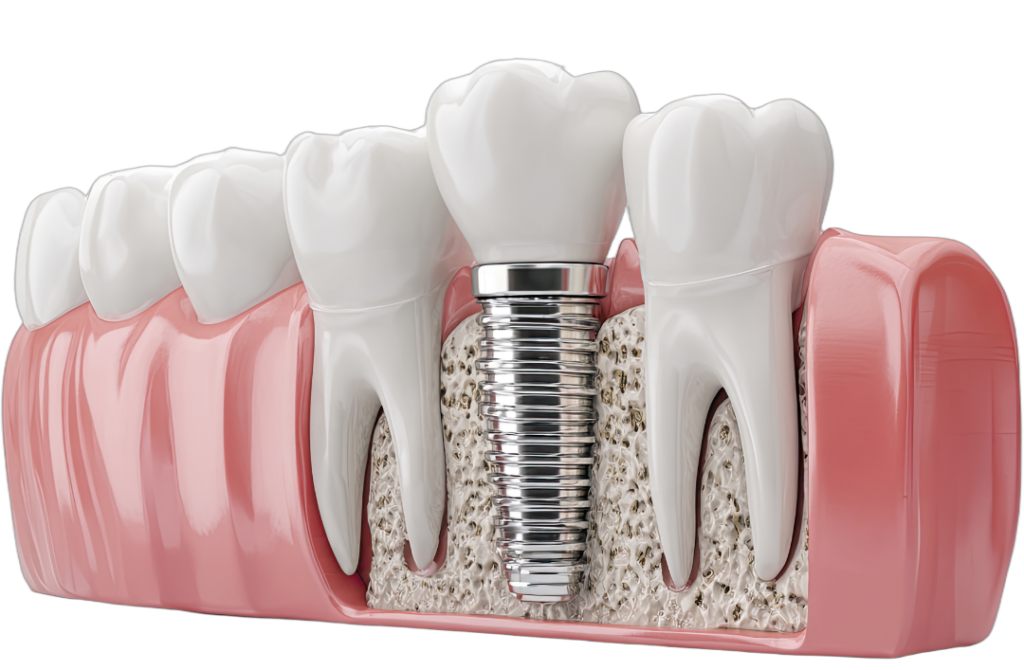
The immediate placement method is particularly beneficial because it takes advantage of the body’s natural healing response. When a tooth is removed, the surrounding bone begins to shrink almost immediately because it no longer has a root to support. By placing the titanium implant post right away, Dr. Kim provides the jawbone with the stimulation it needs to stay strong. As a Dental Implant Periodontist, he often uses Bone Grafting material or Platelet-Rich Fibrin (PRF) during the same visit to fill any tiny gaps between the implant and the socket, ensuring a snug fit and a robust foundation.
Precision is key when performing immediate placement. Dr. Kevin Kim utilizes CBCT 3D Imaging and Computer-Guided Surgery to plan the extraction and the implant trajectory before you even sit in the chair. This ensures that the implant is positioned perfectly for the eventual Zirconia or Porcelain Crown. For our patients who are replacing a front tooth, we can often provide a temporary crown on the same day, so you never have to leave our Lakewood office with a gap in your smile. This is a life-changer for professionals in Tacoma or anyone with a busy social calendar who wants to maintain their appearance throughout the healing process.
While this “same-day” extraction and placement technique is highly successful, it does require a healthy amount of surrounding bone and an absence of active infection. During your Dental Implant Consultation, Dr. Kim will carefully evaluate the site to see if you are a candidate for this streamlined path. To learn more about the biological advantages of immediate placement, you can visit the American Academy of Periodontology or read the Mayo Clinic’s guide to dental implant timing. Dr. Kevin Kim, DDS and the team at Dental Health Associates are here to help you turn a difficult tooth extraction into a fresh start for your smile.
Frequently Asked Questions About the Service
Can you get teeth pulled and implants the same day?
Yes. Depending on your situation and the specific materials used, certain steps of the dental implant process can sometimes be combined.
Can an implant be placed immediately after extraction?
While the traditional process involves several stages with healing time in between, Mayo Clinic notes that some steps can be combined depending on the patient’s specific dental needs and bone condition. This may allow for a more streamlined timeline in certain cases.
Does an immediate implant need a bone graft?
If your jawbone isn’t thick enough or is too soft, you may need bone grafting before or during the procedure. In some cases, if only minor grafting is required, it can be performed at the same time as the implant surgery.
How can I cover my missing teeth while waiting for the implant?
If needed for appearance, a type of partial, temporary denture can be placed after the implant post is set. This temporary appliance is typically removable for cleaning and while you sleep, ensuring you do not have a gap in your smile during the healing phase.
What are the risks of immediate implant placement?
Risks for any dental implant surgery include infection at the site, injury to surrounding structures like other teeth or blood vessels, and nerve damage. Additionally, specialists track results to ensure the implant properly fuses with the bone, as factors like smoking can increase the risk of failure.