Modern Dental Bone Grafting in Lakewood, WA
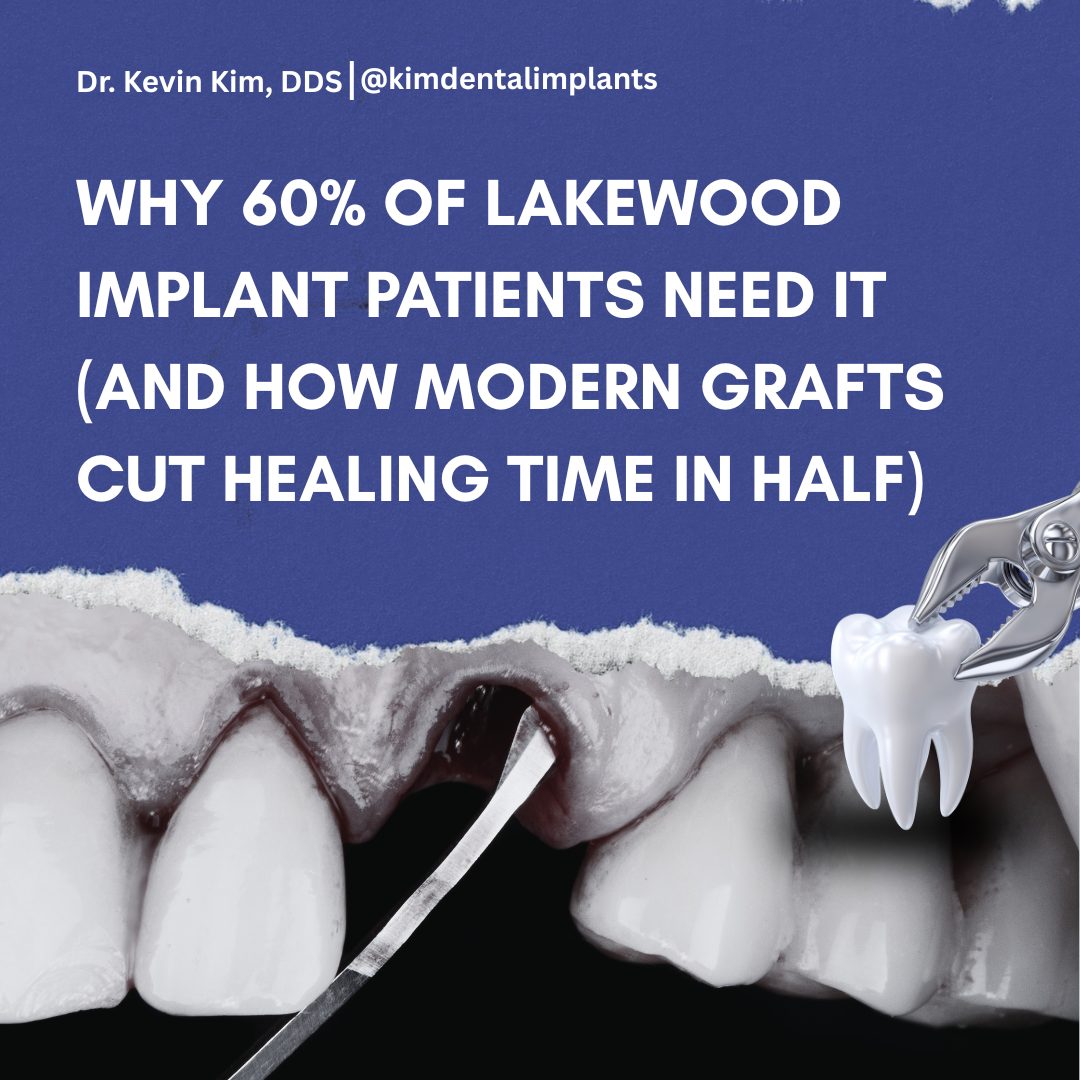
When addressing tooth loss, prompt intervention is essential. Did you know that jawbone loss begins immediately after a tooth extraction, and patients can lose up to 25% of jawbone width within just three months? This reality is alarming for anyone considering dental implants because adequate bone volume is crucial to support a secure and long-lasting implant. Without it, the “anchor” of your new tooth cannot integrate properly, often necessitating a bone graft.
Thankfully, Dr. Kim at KKDDS in Lakewood, WA, has embraced modern bone grafting techniques that drastically reduce healing time, making implants more accessible and faster than ever.
Bone Grafting Basics: Everything You Need to Know
For many patients, the term “bone graft” can feel intimidating. We will outline the essential points.
What is a dental bone graft?
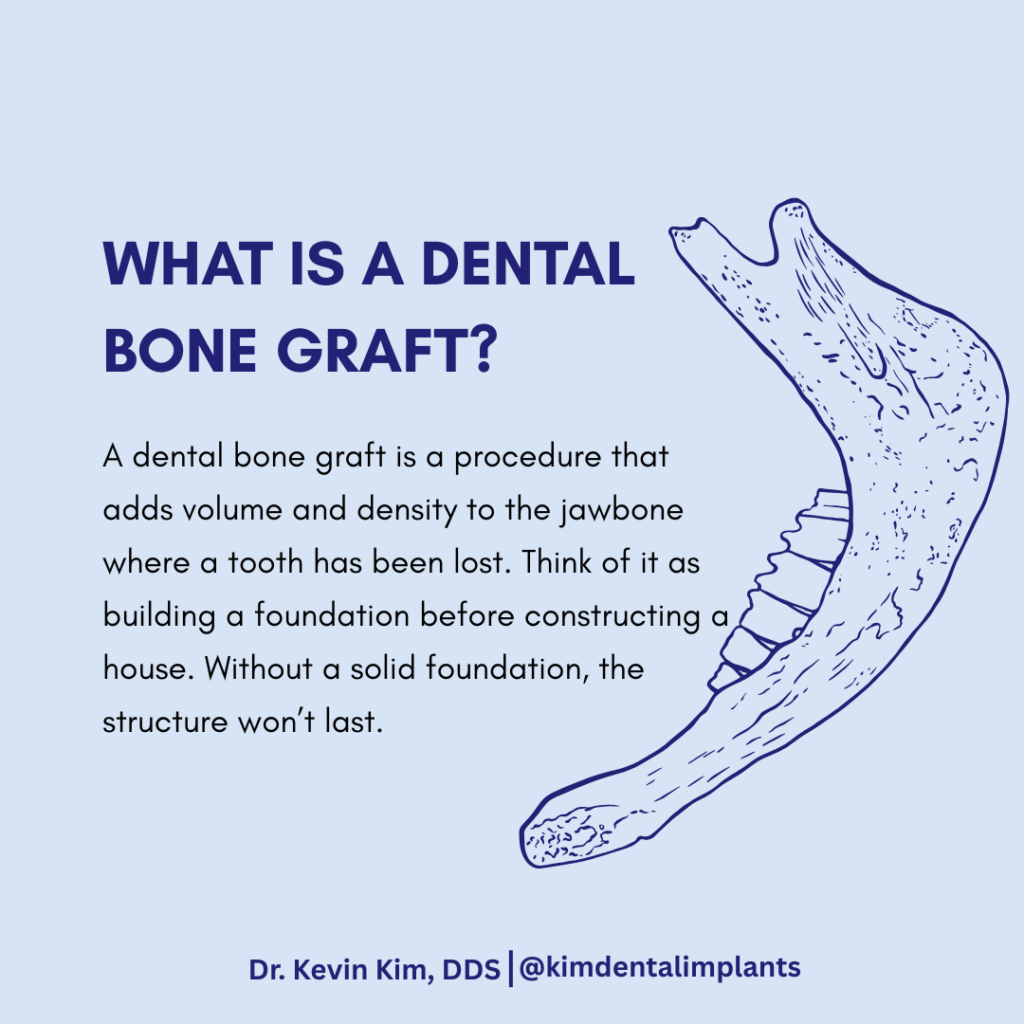
Dentists use a dental bone graft to restore volume and density to the jawbone after tooth loss. Think of it as building a foundation before constructing a house. A structure cannot endure without a solid foundation and bone tissue.
What is bone grafting for teeth?
Dentists use bone grafting during dental implant treatment to create a stable, healthy environment that allows the implant to integrate successfully into the jawbone through osseointegration. Without it, implants risk failure or instability.
Why is a bone graft done?
Bone grafting can address several conditions:
- Ridge preservation after extraction – maintains jawbone shape and volume after losing natural teeth.
- Repairing defects from trauma or long-term tooth loss – prevents bone collapse and restores oral structure.
- Sinus lifts – often necessary for upper molar implants when sinus cavities limit available natural bone.
In essence, bone grafting is not an optional step; it’s essential when bone deficiency exists.
Modern Grafting Science: Cutting Healing Time in Half
One of the biggest misconceptions about bone grafting is the time it takes to heal. Traditionally, dentists waited 6–9 months after placing an autogenous graft—bone taken from the patient’s own body—before placing a dental implant.
How long does a bone graft take to heal today?
With modern synthetic and alloplastic graft materials, healing has become much faster. These materials act as a scaffold, encouraging the body to grow its own bone around them. The outcome: most patients are ready for implant placement within 3-4 months, rather than waiting nearly a year.
How is bone grafting performed?
The procedure itself is straightforward and typically done on an outpatient basis. Here’s what to expect:
- Numbing the area with local anesthetic.
- A small incision is made at the graft site to facilitate the bone grafting procedure.
- The dentist precisely places the graft material into the area requiring bone regeneration.
- Covering the graft with a protective membrane to ensure stability.
- Suturing the site and providing aftercare instructions.
Most patients are surprised at how simple the process is and how manageable recovery can be.
Strategic Timing: Why February is Ideal for Your Graft
Timing can make a difference in your treatment plan and recovery. In Lakewood, February offers mild winter weather, perfect for healing indoors without the challenges of extreme heat or cold.
The Timeline Advantage
A bone graft performed in February typically heals in time for implant placement by late Spring or early Summer. This timeline allows you to have your new tooth ready for the summer travel season, weddings, or family events without feeling rushed or recovering during the heat of summer.
Scheduling your graft at the right time is a strategic move that aligns your recovery and implant placement perfectly.
Recovery in the Pacific Northwest: What to Expect
Immediate Post-Op Care
After the procedure, your dentist will provide instructions to:
- Stick to a soft diet for a few days.
- Avoid using straws, which can disturb the graft.
- Manage pain and swelling with prescribed or over-the-counter medications.
The Recovery Curve
- Days 1–3: Experiencing mild discomfort and swelling is expected.
- Weeks 1–2: Noticeable improvement, with most patients returning to normal activities.
- Months 1–3: Bone integrates with the graft material, creating a stable foundation for the implant.
Key Reminder
Ensure the graft site remains undisturbed. Letting the bone material remain undisturbed is essential. The mild PNW climate aids recovery by providing a stable environment for healing.
Conclusion: Building the Foundation for a Lifetime
A bone graft is not a barrier—it’s an investment in the longevity and success of your dental implant. Dr. Kim’s modern approach using synthetic bone graft materials ensures a faster, safer, and more predictable healing process.
For students or dental professionals studying implantology, the key takeaway is clear: bone grafting is essential whenever jawbone volume is insufficient, and advancements in materials and technique now make it more efficient than ever.
If you’ve been putting off dental implants because of bone graft concerns, it’s time to take action.
Call KKDDS in Lakewood, WA, today to schedule a consultation with Dr. Kim.
Discover how modern bone grafting can shorten your timeline and secure the foundation for a lifetime of confident smiles.