Strengthen Your Smile: Understanding Dental Bone Grafting Before Implants
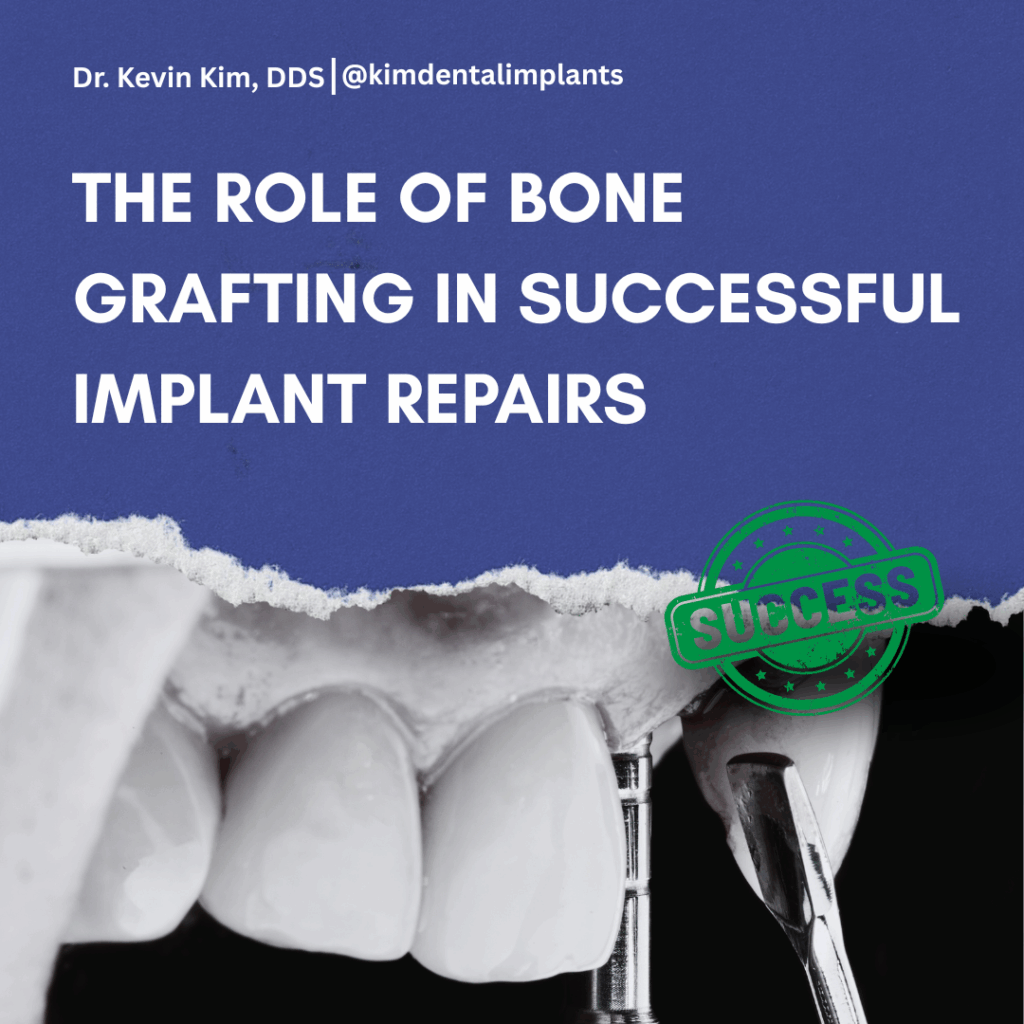
When it comes to restoring your smile with dental implants, one crucial yet overlooked step is dental bone grafting. This procedure is vital for creating a strong and stable foundation for implants, especially when the jawbone has weakened or deteriorated over time.
At Kevin Kim DDS, your trusted dental office in Lakewood, WA, we believe that patient education is key to making confident decisions about your oral health. Whether you’ve been missing teeth for years or recently had one extracted, understanding how bone grafting supports your long-term oral health can make all the difference in achieving a successful implant outcome.
Why Jawbone Health Matters for Dental Implants
Dental implants rely on a strong, healthy jawbone to function properly. The titanium post of an implant must fuse with the surrounding bone through a process called osseointegration, forming a secure base for the replacement tooth.
However, when teeth are missing for an extended period, the jawbone in that area no longer receives stimulation from chewing forces, causing it to shrink or resorb. This bone loss can lead to several problems:
- Insufficient bone volume: There may not be enough bone to anchor the implant securely.
- Changes in facial shape: Bone loss can cause the face to appear sunken or aged.
- Misalignment or shifting of teeth: Adjacent teeth may drift toward the gap.
- Compromised oral function: Chewing efficiency and speech can be affected.
If you’ve experienced tooth loss due to infection, trauma, or long-term denture wear, there’s a good chance that bone density has decreased in the affected area. This is where a dental bone graft comes into play.
What Is a Dental Bone Graft?
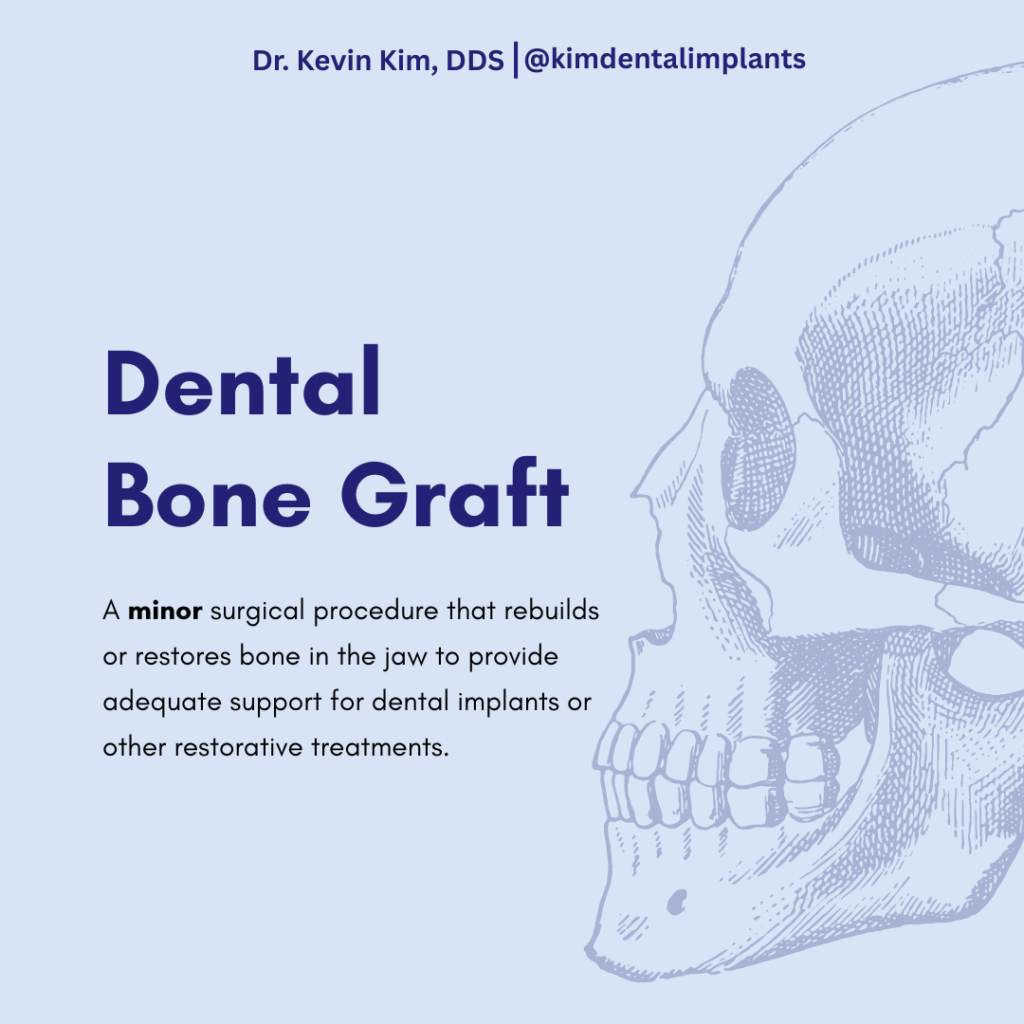
A dental bone graft is a minor surgical procedure that rebuilds or restores bone in the jaw to provide adequate support for dental implants or other restorative treatments.
During the procedure, your dentist adds bone material—either natural or synthetic—to the area of deficiency. Over time, your body naturally replaces this graft material with new bone tissue, strengthening the jaw and creating a solid foundation for implant placement.
When Is Bone Grafting Necessary?
Not every implant patient requires a bone graft, but it’s a common preparatory step for many. Your dentist will determine the need for grafting after reviewing digital X-rays or 3D cone beam scans, which reveal bone height, width, and density.
You may need a bone graft if you have:
- Tooth loss from gum disease or decay – Chronic infection can erode bone tissue around missing teeth.
- Long-term tooth loss – The longer a tooth has been missing, the greater the bone loss in that area.
- Tooth extraction sites – Placing a bone graft immediately after extraction can preserve bone for future implants.
- Facial trauma or injury – Accidents or fractures can damage the jawbone structure.
- Congenital bone deficiencies – Some patients are born with insufficient bone volume in certain areas.
In these cases, bone grafting enhances implant success by restoring the volume and quality of bone necessary for long-term stability.
Types of Bone Graft Materials
Several options exist for bone grafting materials, and the choice depends on the patient’s condition, preferences, and treatment goals. Here are the most common types used in modern dentistry:
- Autograft (Your Own Bone)
Bone is harvested from another area of your body—often the chin, jaw, or hip—and transplanted to the implant site. This option is biocompatible and integrates naturally, but requires a second surgical site. - Allograft (Donor Bone)
This type of graft uses sterilized bone from a human donor, typically sourced from a tissue bank. It eliminates the need for a second surgery while providing an excellent framework for bone regeneration. - Xenograft (Animal Bone)
Usually derived from bovine (cow) sources, this type of graft is processed to remove all organic material, leaving only a mineral structure that acts as a scaffold for new bone growth. - Alloplastic (Synthetic Material)
These grafts use biocompatible synthetic materials such as calcium phosphate or hydroxyapatite, designed to mimic the natural structure of human bone.
Each material has its own advantages, and Dr. Kevin Kim will recommend the best option based on your oral health, medical history, and desired implant timeline.
The Bone Grafting Procedure: What to Expect
At Kevin Kim, DDS, your comfort and safety are our top priorities. Bone grafting is typically performed under local anesthesia, and for some patients, sedation can be provided for added relaxation.
Here’s a step-by-step overview of what you can expect:
- Consultation & 3D Imaging
Your dentist will evaluate your bone density using advanced imaging to determine if grafting is necessary. - Preparation & Anesthesia
Once the treatment plan is in place, the area is numbed to ensure a painless experience. - Graft Placement
The chosen bone graft material is carefully placed into the deficient area of the jawbone. In some cases, a collagen membrane is added to protect the graft and guide bone regeneration. - Healing Phase
Over the next several months, the graft will integrate with your existing bone, providing a stable foundation and a stronger, thicker jaw structure. - Implant Placement
Once healing is complete and bone density is sufficient, the dental implant can be placed securely.
The process may sound complex, but most patients are pleasantly surprised at how comfortable the procedure is—and how vital it becomes in ensuring the success of their dental implants.
Is Bone Grafting Safe?
Yes, dental bone grafting is a safe and predictable procedure when performed by an experienced dentist like Dr. Kevin Kim. The materials used in the procedure are carefully screened and sterilized to meet the highest safety standards.
Bone grafting encourages your body’s natural healing response, allowing the graft to serve as a framework for the bone to grow and regenerate over time. Complications are rare, with most patients experiencing only mild swelling or tenderness for a few days after the treatment.
Recovery and Aftercare Tips
Recovery after bone grafting is generally smooth and manageable. You may experience some minor discomfort or swelling, which can be easily controlled with over-the-counter pain medication or prescriptions from your dentist.
Here are a few aftercare tips to support healing:
- Follow all post-op instructions carefully – including medication, diet, and hygiene recommendations.
- Avoid disturbing the graft area – Refrain from touching or rinsing vigorously for the first 24 hours.
- Stick to soft foods – Yogurt, smoothies, and soups are ideal during the early healing stage.
- Maintain oral hygiene – Gently brush surrounding teeth and use antibacterial mouthwash as directed.
- Attend follow-up visits – Dr. Kim will monitor your healing and determine the right time for implant placement.
Healing time can vary, but typically ranges from 3 to 6 months, depending on the size of the graft and your individual bone metabolism.
The Benefits of Bone Grafting for Implants
Bone grafting might seem like an additional step, but it offers numerous long-term benefits for your oral health and confidence:
- Enhanced implant stability for long-lasting results
- Improved facial structure and appearance
- Prevention of further bone loss
- Better chewing and speech function
- Higher implant success rate
Ultimately, bone grafting ensures that your dental implants not only look natural but also perform like real teeth for many years to come.
Why Choose Kevin Kim DDS for Bone Grafting and Dental Implants
At Kevin Kim DDS, we take pride in providing comprehensive, patient-centered care tailored to your unique needs. Our dental office in Lakewood, WA, combines advanced technology with compassionate expertise to ensure every patient receives the highest quality treatment—from bone grafting to full dental implant restoration.
Dr. Kim and his experienced team take the time to explain every step of your procedure, answer all your questions, and ensure you feel comfortable and informed throughout the process.
Schedule Your Consultation Today
If you’ve been told you don’t have enough bone for dental implants, don’t lose hope. A dental bone graft may be the key to rebuilding your smile and restoring your confidence.
Contact Kevin Kim DDS in Lakewood, WA, today to schedule a personalized consultation. Our team will assess your bone health, discuss your treatment options, and design a plan that fits your goals and budget.
✨ Call us or book online today—and take the first step toward a stronger, healthier smile! ✨